


Many golfers share the same goal: to finally play more consistently.
More fairways, cleaner strikes, less dispersion – and the feeling that the ball does what you want more often.
Consistency in the golf swing is one of the topics golfers think about most. That’s why we recorded an in-depth video that explains what consistency really means and how you can build it through training.
Before we dive into the details, it makes sense to watch the video – it gives you a clear foundation for everything we explain further below.
The underestimated key Pros use for consistency in the Golf Swing
Impact coordination: How to build real consistency in your Golf swing
The video is recorded in German. To activate English subtitles, click on “CC” and then select “English” via the settings (gear) icon.
Many golfers talk about impact mechanics, but very few explain the actual key behind true consistency: impact coordination – the ability to bring all relevant factors together at exactly the right moment.
Mechanics are the foundation. Good mechanics makes moving effectively easier.
But the “glue” that holds everything together and makes the swing truly consistent is coordination at impact.

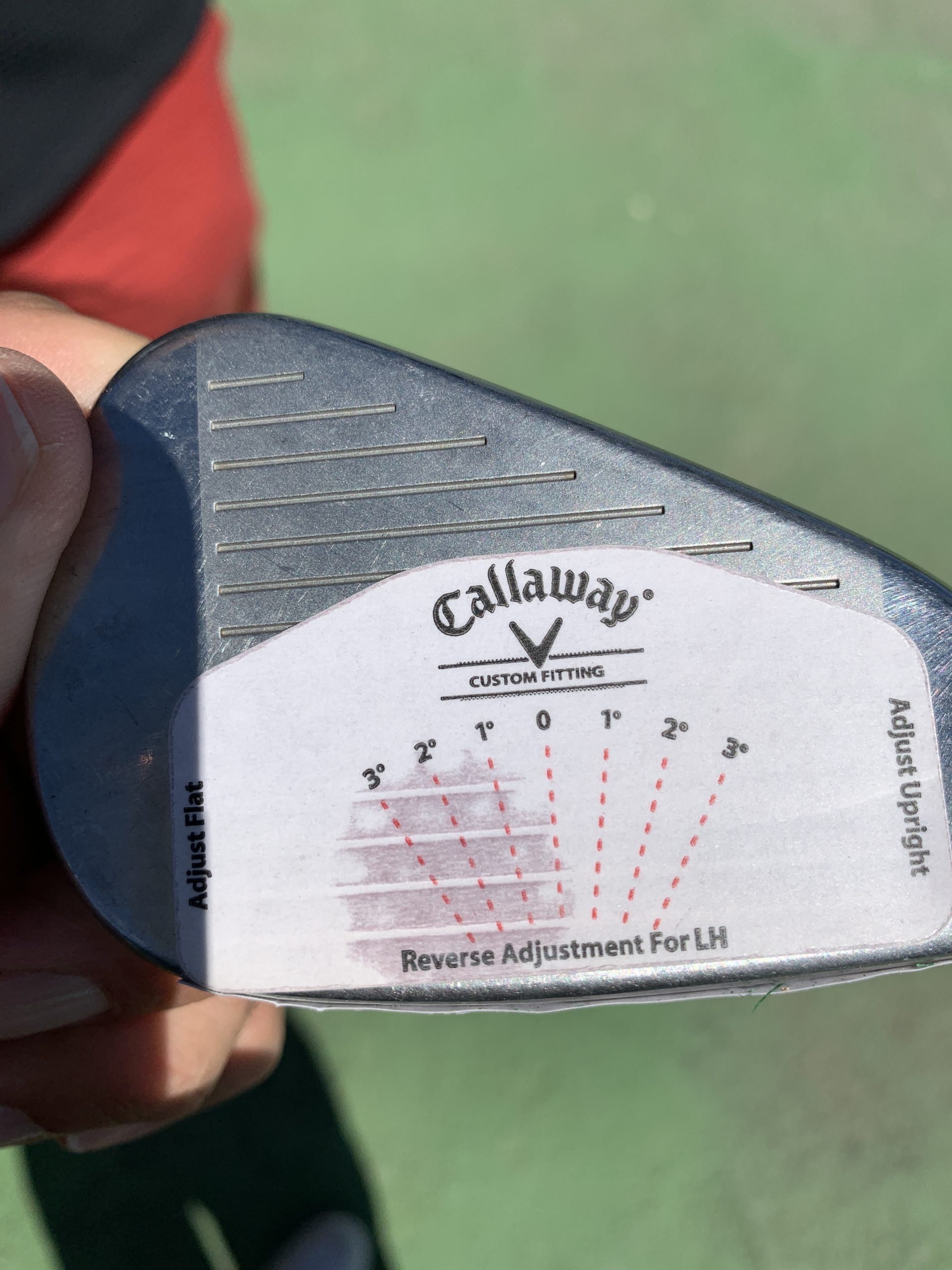


What “playing more consistently” really means
When golfers say they want to “play more consistently”, they really mean one thing:
The ball should do what you want – again and again.
An unorthodox swing would be perfectly acceptable if the impact is clean and repeatable. The ball doesn’t judge swing aesthetics – it reacts solely to the physics at impact.
Many golfers struggle for one main reason:
They do not have a clear concept of what needs to happen at impact for the ball to fly reliably.
Why consistency in the golf swing is so difficult
Many players don’t really know:
- what must happen at the moment of impact
- how the desired ball flight is created
- how to improve the factors that influence impact
- and which skills are required for a stable strikes through the whole golfbag
If this understanding is missing, the body cannot learn what it needs to repeat.
Without a concept, every movement becomes trial and error.




[booking-button]
The impact situation is extremely sensitive – and it consists of several dimensions that must work together simultaneously:

Dimension 1: Swing Arc – Height
The club moves along an arc. The key question is whether it has the correct height at the right moment. Too high or too low immediately leads to dispersion.
Dimension 2: Ground Contact Point
Every swing has a point where the club first touches the ground, and an additional lowest point of the swing arc.
Ideally, the lowest point lies just after the ball so that you hit the ball first and then the ground.
If these points shift – earlier or later – the entire ball–ground contact scenario changes.

Dimension 3: Centeredness of Contact
A ball struck from the center of the clubface will fly more stably.
Impacts on the heel, toe, too high, or too low immediately affect distance, sound, and direction.
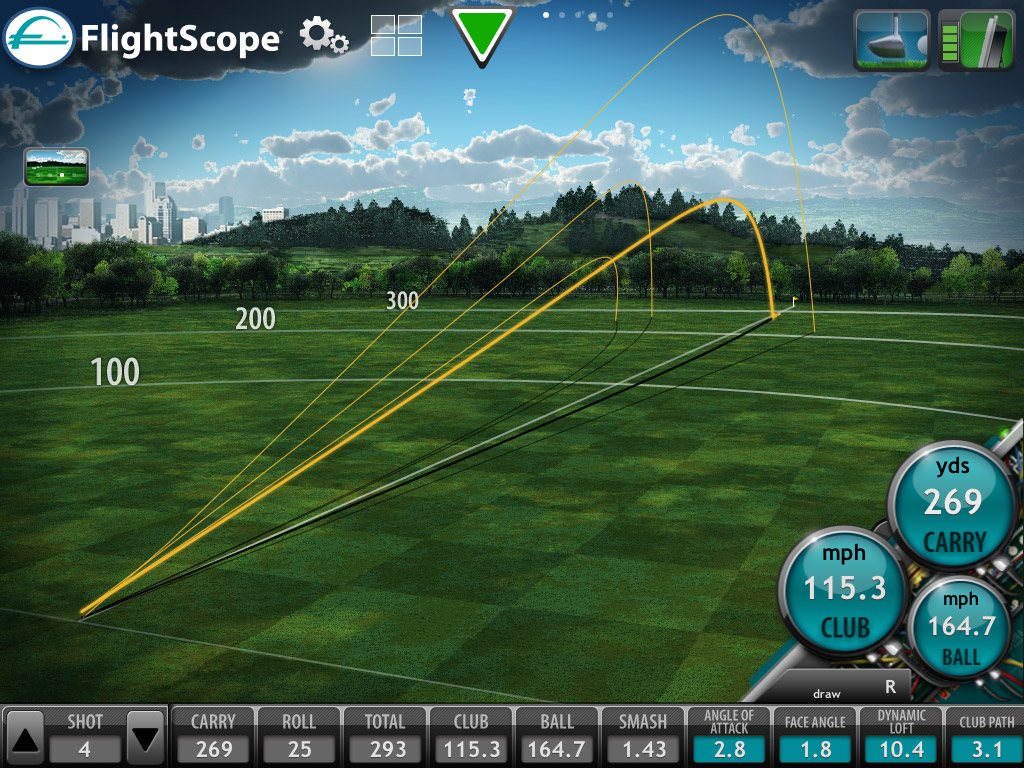
Dimension 4: Direction Factors
Direction is created by clubface angle and swing path.
These two factors determine whether the ball starts straight or curves.
For this article, we are keeping the explanation intentionally simple.
If you look at how four elements must come together at impact, it becomes clear why so much can go wrong – and why consistency for many golfers is found more on Lake Constance than in their own swing. True consistency does not come from a pretty swing but from the ability to repeat impact reliably.
Why our 24-Minute Video helps
The video clearly shows:
- how consistency is created
- what really influences impact
- which exercises improve impact coordination
- what good players do differently


FAQ – Consistency in the Golf Swing
What does consistency in the golf swing mean?
Consistency means that the ball produces a similar outcome again and again – regardless of swing style. What matters is a repeatable impact.
How can I play more consistently?
By stabilizing your impact: swing arc height, ground contact point, centeredness of strike, and directional factors must align. Of course there are specific exercises to do, to improve your coordination output.
Why am I not consistent in golf?
Most often, a clear understanding of the impact moment is missing. Without an impact concept, there can be no true repeatability.
Does swing technique play a big role?
Only partially. A beautiful swing does not guarantee consistency – but a stable impact does.
How do I train a better impact?
Through a series of exercises that allow strengthening of coordination through system stress.
Learn more…
Why am I inconsistent in my golf game?
Most of the time, inconsistency comes from a combination of several factors. The central issue is almost always the same: a lack of clear understanding of what should happen at impact. Without a precise concept of impact, the body does not know what it can reliably repeat.
The main reasons are usually the following:
- Lack of understanding of impact
Without knowing what truly needs to happen at contact, movements remain vague and difficult to reproduce. - Insufficient and inconsistent repetitions
The brain needs a sufficient number of similar repetitions to stabilise movement patterns on the same wavelength. - Limited coordination
Players coming from ball sports or sports with a moving object often adapt faster, as their brain is better at organising multiple moving parts. - The constant variability of golf
Different club lengths, changing ball positions, varying lies and slopes. Every shot is different, which makes consistency more demanding.
Playing golf ultimately means learning to deal with uncertainty, while building reference points that are solid enough to remain stable in an environment that never truly is.